🌍 World Tuberculosis Day : a major public health and pharmacovigilance challenge
🦠 Tuberculosis : a disease that remains relevant
Tuberculosis is a bacterial infection caused by Mycobacterium tuberculosis that primarily affects the lungs but can also impact other organs. Despite medical advances, it remains a major public health issue, particularly in low-resource countries.
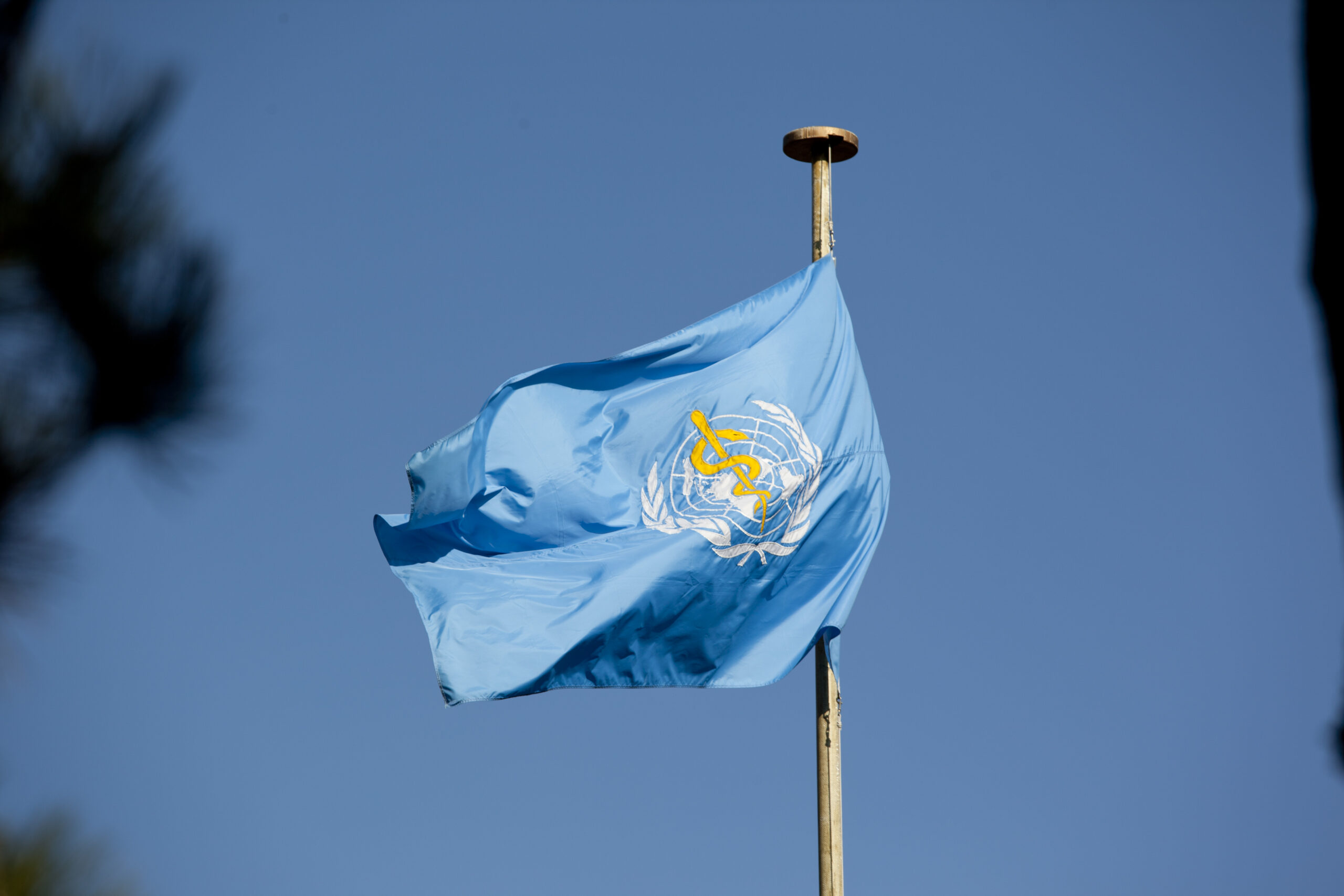
According to estimates from the World Health Organization, millions of people still develop the disease each year, with a significant impact in terms of morbidity and mortality. The COVID-19 pandemic has also disrupted screening and treatment programs, slowing progress made over recent decades.
⚠️ Current challenges: resistance and access to treatment
One of the main challenges in the fight against tuberculosis is the emergence of drug-resistant forms, particularly multidrug-resistant tuberculosis (MDR-TB). These forms require longer, more complex treatments and are often associated with a higher risk of adverse effects.
Equitable access to treatment also remains a key issue. Inequalities in diagnosis, care, and patient follow-up hinder global eradication efforts.
🔬 The essential role of pharmacovigilance
In this context, pharmacovigilance plays a crucial role. Anti-tuberculosis treatments, although effective, can cause adverse effects that are sometimes serious, particularly affecting the liver, nervous system, or skin.
Pharmacovigilance-specialized companies contribute to:
• Monitoring the safety of medicines in real-world conditions
• Early detection of pharmacovigilance signals
• Improving the management of risks associated with treatments
• Supporting health authorities in decision-making
The rigorous collection and analysis of safety data help optimize therapeutic strategies and strengthen confidence in available treatments.
🚀 Innovation and perspectives
Research efforts continue to develop new medicines, shorter treatment regimens, and more effective vaccines. The integration of digital technologies and artificial intelligence into pharmacovigilance systems also opens new perspectives for more proactive and predictive monitoring.
🤝 A collective mobilization is essential
World Tuberculosis Day highlights the importance of global mobilization involving healthcare stakeholders, institutions, industry, and pharmacovigilance companies.
Faced with a preventable and curable disease that is still widespread, collective commitment remains essential to achieve international tuberculosis elimination goals.